
Professional Radiator Installation, Replacement, Relocation & Heating Improvements Across East Devon
SAFEXE LTD Gas, Plumbing & Heat Pumps
SAFEXE LTD Gas, Plumbing & Heat Pumps provides professional radiator installation, radiator replacement, radiator relocation, towel radiator installation, radiator valve replacement, heating pipework alterations, heating system upgrades, radiator sizing advice, heating performance improvements, and radiator fault diagnosis across East Devon.
We help homeowners, landlords, renovated homes, older properties, extensions, bathrooms, family homes, rental properties, and properties with poor heating performance improve comfort, reliability, and long-term heating efficiency.
Radiators are one of the most important parts of a heating system. Even with a good boiler or heat pump, the home will not feel comfortable if the radiators are too small, badly positioned, poorly balanced, restricted by old pipework, or affected by poor water quality.
Whether you are replacing old radiators, moving radiators under windows, upgrading towel radiators, improving cold rooms, renovating a property, preparing for a heat pump, or improving the look and performance of your heating system, SAFEXE LTD can advise on the most suitable approach.
Professional Radiator Installation
We install and replace radiators across East Devon.
Our radiator services include:
- New radiator installation
- Radiator replacement
- Radiator relocation
- Towel radiator installation
- Bathroom radiator upgrades
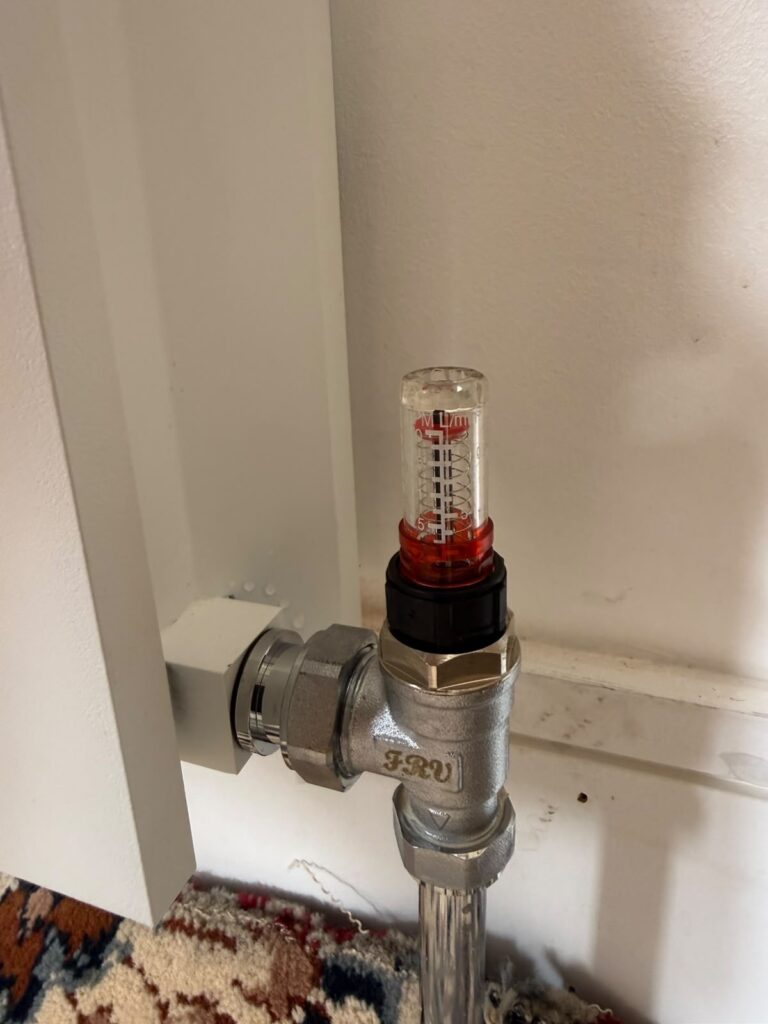
- Thermostatic radiator valves
- Lockshield valve replacement
- Radiator valve leaks
- Heating pipework alterations
- Radiator sizing advice
- Radiator performance checks
- Radiator balancing
- Radiator fault diagnosis
- Heating system upgrades
- Radiator upgrades for heat pumps
- Radiator upgrades for renovations
- Landlord radiator repairs and replacements
We focus on neat pipework, sensible radiator sizing, good heating performance, and a clean finish.
Radiator Replacement
Radiator replacement may be useful where radiators are old, leaking, badly positioned, undersized, corroded, inefficient, or no longer suitable for the room.
Radiators may need replacing if they are:
- Leaking
- Rusting
- Damaged
- Too small for the room
- Slow to heat
- Affected by cold spots
- No longer matching the room layout
- Not suitable for lower flow temperatures
- Poorly positioned
- Outdated in appearance
- Difficult to clean or maintain
- Not giving enough heat output
A like-for-like replacement is sometimes enough, but in many cases it is worth checking whether a better-sized radiator would improve comfort.
Radiator Relocation
Radiator relocation may be needed when a room layout changes, a property is renovated, or a radiator is badly positioned.
Radiators are commonly moved because of:
- New furniture layouts
- Kitchen or bathroom renovations
- Extensions
- New doors or openings
- Radiators blocking usable wall space
- Radiators positioned in awkward locations
- Bedrooms being redesigned
- Radiators being moved under windows
- Improved heat distribution
- Better appearance
- Future heat pump planning
Moving a radiator may involve lifting floors, altering pipework, adapting heating circuits, and making sure the new location still performs properly.
Radiator Sizing Advice
Correct radiator sizing is important.
A radiator that is too small may leave the room cold.
A radiator that is too large may be unnecessary, bulky, or more expensive than needed.
When advising on radiator sizing, we consider:
- Room size
- Heat loss
- Insulation
- Window size
- External walls
- Ceiling height
- Room use
- Boiler or heat pump flow temperature
- Existing pipework
- Radiator position
- Customer comfort expectations
- Future heating plans
Correct radiator sizing is especially important where a customer wants improved comfort or is considering a future heat pump.
Radiator Upgrades for Heat Pumps
Heat pumps work best at lower flow temperatures than traditional boilers.
This means radiators may need to be larger or better matched to the room heat loss.
Radiator upgrades for heat pumps may involve:
- Checking existing radiator sizes
- Increasing radiator output
- Replacing undersized radiators
- Improving pipework where required
- Balancing the heating system
- Improving water flow
- Checking room heat requirements
- Considering lower flow temperatures
- Advising on future heat pump suitability
Not every radiator needs replacing automatically, but the heating system should be assessed properly.
The goal is to keep the home comfortable while allowing the heat pump to operate efficiently.
Radiator Upgrades with Boiler Installation
Radiator upgrades are often considered during boiler installation or boiler replacement.
A new boiler can only perform well if the wider heating system is suitable.
Radiators may need upgrading where:
- Rooms are cold
- Existing radiators are undersized
- Radiators have cold spots
- Radiators are old or corroded
- Heating flow is poor
- The system has poor water quality
- The property has been extended
- A room layout has changed
- Better heating control is required
- The customer wants improved comfort
Replacing or upgrading radiators at the same time as a boiler installation can be a sensible long-term improvement.
Towel Radiator Installation
Towel radiators are commonly installed in bathrooms, en suites, shower rooms, cloakrooms, and utility areas.
A towel radiator can help:
- Warm the room
- Dry towels
- Improve comfort
- Upgrade the appearance of the bathroom
- Replace an old radiator
- Improve bathroom heating layout
- Free up wall space
- Support a bathroom refurbishment
A towel radiator should be chosen carefully. It should not be selected only because it looks good.
The heat output, room size, pipework route, valve position, wall strength, finish, and customer expectations should all be considered.
Bathroom Radiator Upgrades
Bathrooms need good heating and good ventilation.
A cold bathroom can feel uncomfortable and may contribute to condensation issues.
Bathroom radiator upgrades may include:
- Towel radiator installation
- Bathroom radiator replacement
- Radiator relocation
- Pipework alterations
- Dual-fuel towel rail advice where suitable
- Heating output checks
- Thermostatic valve options
- Bathroom ventilation advice
- Heating system balancing
- Bathroom refurbishment planning
Because SAFEXE LTD also installs bathrooms and ventilation systems, we can consider the bathroom heating as part of the whole room, not just the radiator.
Designer Radiators
Designer radiators can improve the look of a room, but they need to be selected carefully.
Some designer radiators do not give out as much heat as customers expect.
Before installing a designer radiator, it is important to consider:
- Heat output
- Room heat loss
- Flow temperature
- Size and style
- Pipe centres
- Wall strength
- Valve position
- Future access
- Cleaning and maintenance
- Customer expectations
A radiator should look good, but it still needs to heat the room properly.
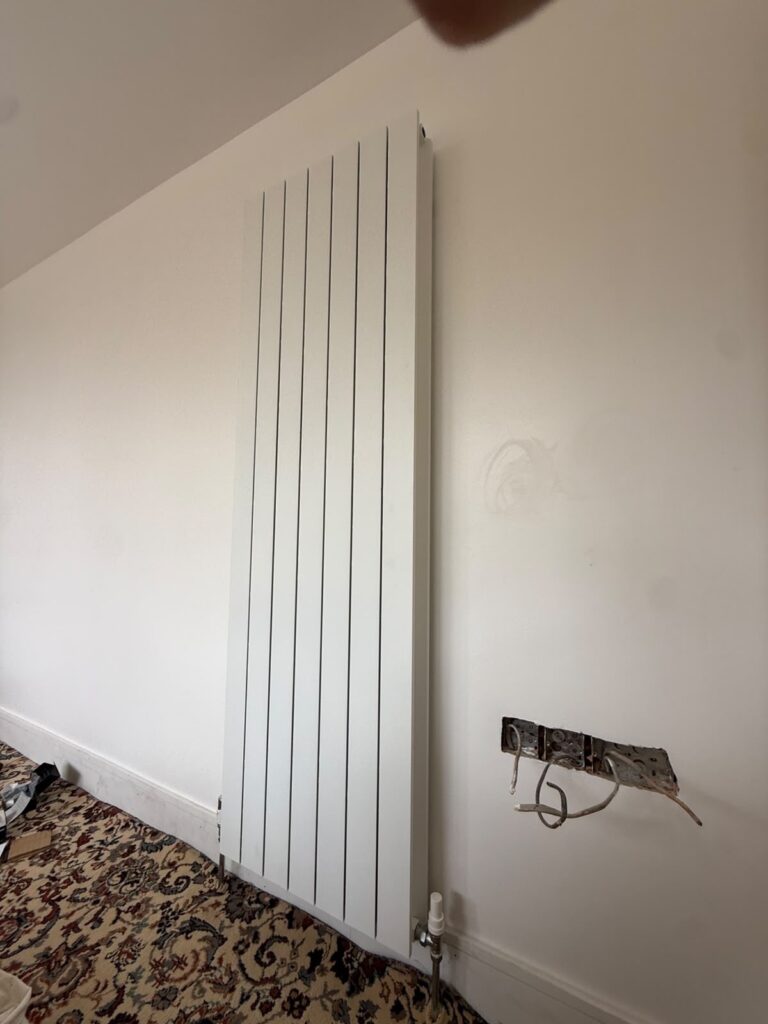
Vertical Radiators
Vertical radiators can be useful where wall space is limited.
They are often used in:
- Kitchens
- Hallways
- Extensions
- Living rooms
- Bedrooms
- Open-plan spaces
- Renovated homes
- Modernised properties
- Rooms with limited wall space
Vertical radiators can look smart, but they need to be sized correctly because some models may provide less practical heat output than expected for the space they occupy.
Thermostatic Radiator Valves
Thermostatic radiator valves, often called TRVs, help control individual room temperatures.
TRVs can be useful for:
- Improving comfort
- Reducing overheating
- Managing bedrooms separately
- Improving heating control
- Rental properties
- Renovated homes
- Heating system upgrades
- Better energy management
Old or faulty TRVs can cause radiators to stay cold, overheat, leak, or fail to respond properly.
Replacing old valves can improve control and reliability.
Radiator Valve Replacement
Radiator valves can leak, seize, fail, or become difficult to adjust.
We can help with:
- Leaking radiator valves
- Thermostatic radiator valve replacement
- Lockshield valve replacement
- Radiator tail leaks
- Towel radiator valve replacement
- Stuck radiator valves
- Old valve upgrades
- Valve replacement during radiator installation
- Valve replacement during system upgrades
Radiator valve replacement may require draining part or all of the heating system depending on the layout and condition.
Radiator Leaks
Radiator leaks should be checked properly.
Leaks may come from:
- Radiator valves
- Radiator tails
- Lockshield valves
- Thermostatic valves
- Pipework connections
- Radiator panels
- Towel radiators
- Old corroded radiators
- Poor previous installation
- Heating system pressure issues
Some leaks can be repaired. Others may mean the radiator or valves should be replaced.
Radiators Not Heating Properly
A radiator not heating properly can have several causes.
Possible causes include:
- Air in the radiator
- Sludge in the radiator
- Faulty valves
- Poor balancing
- Pipework restrictions
- Pump issues
- Heating zone problems
- Thermostat or control problems
- Poor system water quality
- Undersized radiators
- Blocked filters
- Microbore pipework issues
A proper diagnosis is important before assuming the radiator itself is the only problem.
Cold Spots on Radiators
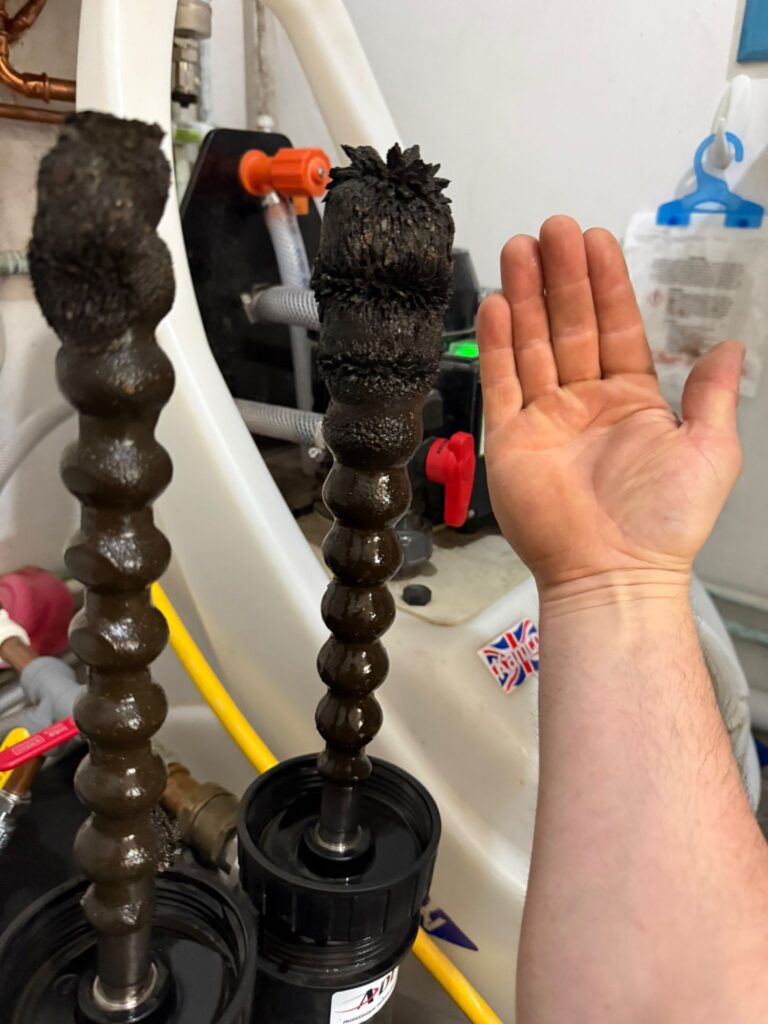
Cold spots are often a sign of sludge or poor circulation.
Radiators may be:
- Cold at the bottom
- Patchy across the panel
- Slow to heat
- Noisy
- Only partly warm
- Affected more in some rooms than others
Cold spots can be linked to dirty heating water, poor circulation, blocked pipework, faulty valves, or wider heating system issues.
Where required, we can advise on radiator replacement, power flushing, chemical cleaning, magnetic filter cleaning, or heating system balancing.
Heating System Balancing
After radiators are installed, replaced, or moved, the heating system may need balancing.
Balancing helps heat distribute more evenly across the property.
This can be useful where:
- Some radiators get hot quickly
- Other radiators stay cool
- Bedrooms overheat
- Downstairs rooms stay cold
- Radiators have been changed
- Pipework has been altered
- A new boiler has been installed
- The heating system has never been balanced properly
A balanced system can improve comfort and help the boiler or heat pump work more effectively.
Heating Pipework Alterations
Radiator work often involves pipework alterations.
This may include:
- Moving radiator pipework
- Changing pipe centres
- Running new heating pipework
- Lifting floors
- Altering underfloor pipework
- Changing radiator tails
- Removing redundant pipework
- Improving poor previous work
- Replacing old valves and fittings
- Improving pipe routes during renovations
Good pipework should be neat, practical, clipped where accessible, and designed with future maintenance in mind.
Radiators for Renovated Homes
Renovated homes often need radiator and heating improvements.
This may include:
- New room layouts
- Extensions
- Open-plan spaces
- Loft conversions
- New kitchens
- New bathrooms
- Improved insulation
- Larger glazed areas
- New flooring
- Radiators moved under windows
- Designer radiator upgrades
- Future heat pump planning
Radiators should be planned around the finished room layout and the heating requirement, not treated as an afterthought.
Radiators for Older Properties
Older properties across East Devon often have heating systems that have been altered over many years.
Common issues include:
- Old radiators
- Mixed radiator sizes
- Microbore pipework
- Old valves
- Poor previous alterations
- Cold rooms
- Poor circulation
- Sludged systems
- Limited access under floors
- Older boilers
- Poor system balancing
- Radiators placed in awkward positions
Radiator upgrades in older homes should be planned carefully so the work improves comfort without creating unnecessary disruption.
Radiators for Landlords & Rental Properties
We also install, replace, and repair radiators for landlords and rental properties.
Common landlord radiator issues include:
- Leaking radiator valves
- Old radiators
- Tenant reports of cold rooms
- Radiators not heating properly
- Towel radiator issues
- Damaged radiators
- Radiator replacement during void periods
- Heating performance complaints
- Thermostatic radiator valve upgrades
- System balancing
- Boiler pressure loss linked to radiator leaks
Reliable radiator and valve upgrades can help reduce tenant complaints and protect the property.
Radiator Installation for Extensions
Extensions often need new heating added or existing heating altered.
Radiator installation for extensions may involve:
- Sizing radiators for the new space
- Altering heating pipework
- Connecting into existing heating circuits
- Checking boiler capacity
- Checking heat output
- Balancing the system
- Planning pipe routes
- Coordinating with builders or other trades
- Considering underfloor heating alternatives
- Future heat pump suitability
Heating should be considered early in the extension planning process.
Radiator Installation for Loft Conversions
Loft conversions can be more difficult to heat properly because of heat loss, pipe routes, space limitations, and layout.
Radiator installation in loft conversions may require consideration of:
- Radiator size
- Pipe routes
- System pressure
- Boiler capacity
- Zone controls
- Air removal
- Room layout
- Available wall space
- Heat loss
- Future access
A small radiator may not be enough if the room is large, exposed, or used regularly.
Radiators, Power Flushing & Water Quality
Radiators are closely linked to heating water quality.
Poor water quality can cause:
- Cold spots
- Blocked radiators
- Sludge build-up
- Noisy operation
- Poor circulation
- Leaking valves
- Blocked filters
- Boiler faults
- Heat pump flow issues
Where dirty water is suspected, we can advise whether the system needs chemical cleaning, power flushing, inhibitor, magnetic filter cleaning, or further diagnosis.
Radiators, Boilers & Heat Pumps
Radiators need to work properly with the heating source.
A boiler system may operate at higher flow temperatures, while a heat pump usually works best at lower flow temperatures.
This means radiator sizing, water flow, pipework, and balancing all matter.
We can advise on radiator suitability for:
- Existing boilers
- New boiler installations
- Air source heat pumps
- Future heat pump upgrades
- Low-temperature heating systems
- Mixed radiator and underfloor heating systems
- Renovated homes
- Older heating systems
The aim is to make the heating system perform properly for the equipment installed.
Radiators, Bathrooms & Hot Water Systems
Radiator work often overlaps with bathroom and hot water upgrades.
This may include:
- Towel radiators
- Bathroom heating
- Dual-fuel towel rail advice
- Pipework alterations
- Cylinder cupboard changes
- Hot water system upgrades
- New bathrooms or en suites
- Heating zones
- Bathroom ventilation
Because SAFEXE LTD works across plumbing, heating, bathrooms, boilers, heat pumps, and ventilation, we can advise on the wider system.
Radiator Installation & Wider Heating Improvements
Radiator installation is often part of a bigger heating improvement plan.
This may include:
- Boiler replacement
- Heating controls
- Power flushing
- Heating system balancing
- Pipework alterations
- Heat pump preparation
- Hot water cylinder upgrades
- Bathroom upgrades
- Landlord maintenance
- Renovation works
- Energy efficiency improvements
The best result usually comes from considering the whole heating system, not just one radiator.
Areas We Cover
SAFEXE LTD Gas, Plumbing & Heat Pumps provides radiator installation, radiator replacement, radiator relocation, towel radiator installation, and heating improvements across East Devon, including:
- Exmouth
- Exeter
- Topsham
- Sidmouth
- Budleigh Salterton
- Lympstone
- Woodbury
- Exminster
- Pinhoe
- Exton
- Ebford
- East Budleigh
- Otterton
- Newton Poppleford
- Ottery St Mary
- West Hill
- Honiton
We focus on areas within our normal working radius from Exmouth so we can provide a reliable, realistic, and local service.
Why Choose SAFEXE LTD for Radiator Installation?
- Professional local company covering East Devon
- Experienced in radiators, boilers, heat pumps, plumbing, bathrooms, and heating systems
- Radiator installation, replacement, and relocation
- Towel radiator and bathroom radiator installation
- Radiator sizing and heat output advice
- Heating pipework alterations
- Thermostatic radiator valve upgrades
- Heating system balancing advice
- Power flushing and water quality advice
- Heat pump radiator upgrade advice
- Clear communication and tidy workmanship
- Balanced repair versus replacement advice
We focus on practical, reliable radiator and heating improvements that help the whole system perform better.
Book a Radiator Installation or Heating Improvement Visit
If you need radiator installation, radiator replacement, radiator relocation, towel radiator installation, radiator valve replacement, cold radiator diagnosis, or heating improvement advice, contact SAFEXE LTD Gas, Plumbing & Heat Pumps today.
We can assess your existing radiators, discuss the rooms you want to improve, advise on radiator size and position, and recommend the most suitable approach for your property.
FAQs
Do you install radiators?
Yes. SAFEXE LTD provides radiator installation, radiator replacement, radiator relocation, towel radiator installation, and heating improvements across East Devon.
Can you move a radiator?
Yes. We can relocate radiators where suitable, including moving radiators under windows, changing room layouts, altering pipework, and improving heating positions during renovations.
Can you replace old radiators?
Yes. We can replace old, leaking, corroded, undersized, damaged, or outdated radiators with suitable new radiators.
Can you install towel radiators?
Yes. We install towel radiators in bathrooms, en suites, cloakrooms, shower rooms, and utility areas where suitable.
Why are my radiators cold at the bottom?
Radiators cold at the bottom may be caused by sludge, poor circulation, dirty heating water, blocked pipework, or wider heating system issues.
Do I need a power flush if my radiators have cold spots?
Possibly. Cold spots can be caused by sludge or poor water quality, but they can also be caused by balancing issues, faulty valves, pipework restrictions, or pump problems. The system should be assessed first.
Can radiator upgrades help with heat pumps?
Yes. Heat pumps work best at lower flow temperatures, so some radiators may need upgrading to provide enough heat output efficiently.
Can you replace radiator valves?
Yes. We replace leaking, stuck, faulty, or outdated radiator valves, including thermostatic radiator valves and lockshield valves.
Can you help if one room is always cold?
Yes. A cold room may be caused by an undersized radiator, poor insulation, poor balancing, pipework issues, air, sludge, or heating control problems.
Do you cover Exeter, Exmouth, Sidmouth and Topsham?
Yes. SAFEXE LTD provides radiator installation and heating improvements across East Devon, including Exmouth, Exeter, Sidmouth, Topsham and nearby areas within our normal working radius.