
When damp starts appearing in the corners of a property, it can be tempting to assume there is one obvious cause. In reality, moisture and condensation problems can result from several issues working together.
We recently carried out a damp and ventilation assessment at an East Devon property after the occupants noticed persistent damp developing in several areas.
Rather than jumping straight to a particular ventilation product, we started by investigating the property.
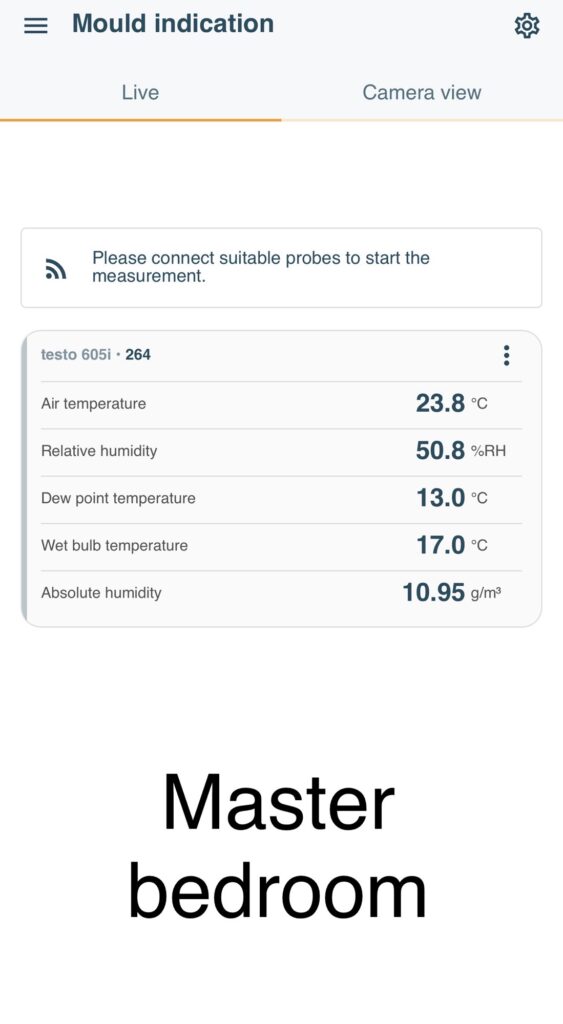
Moisture and Humidity Testing
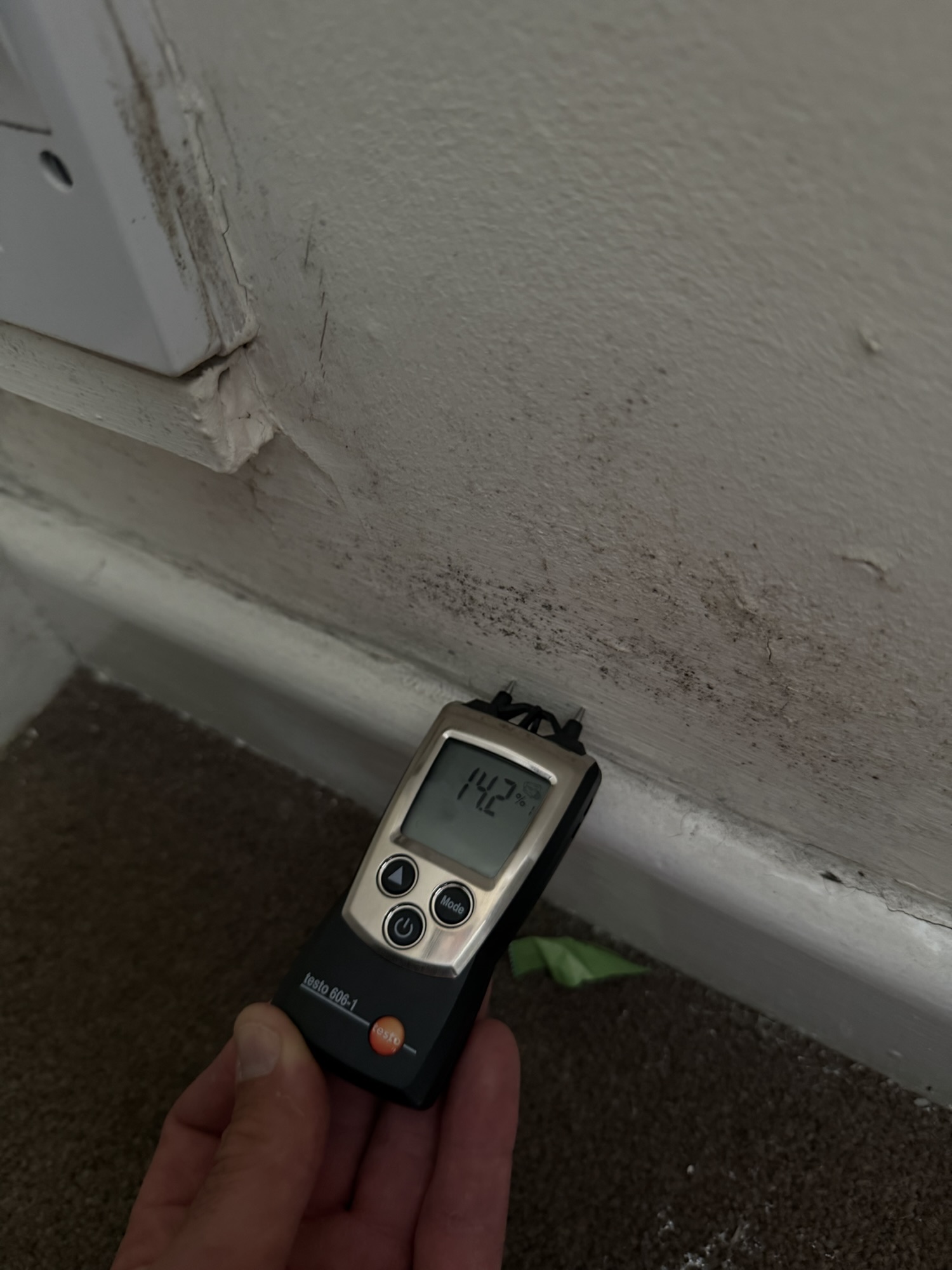
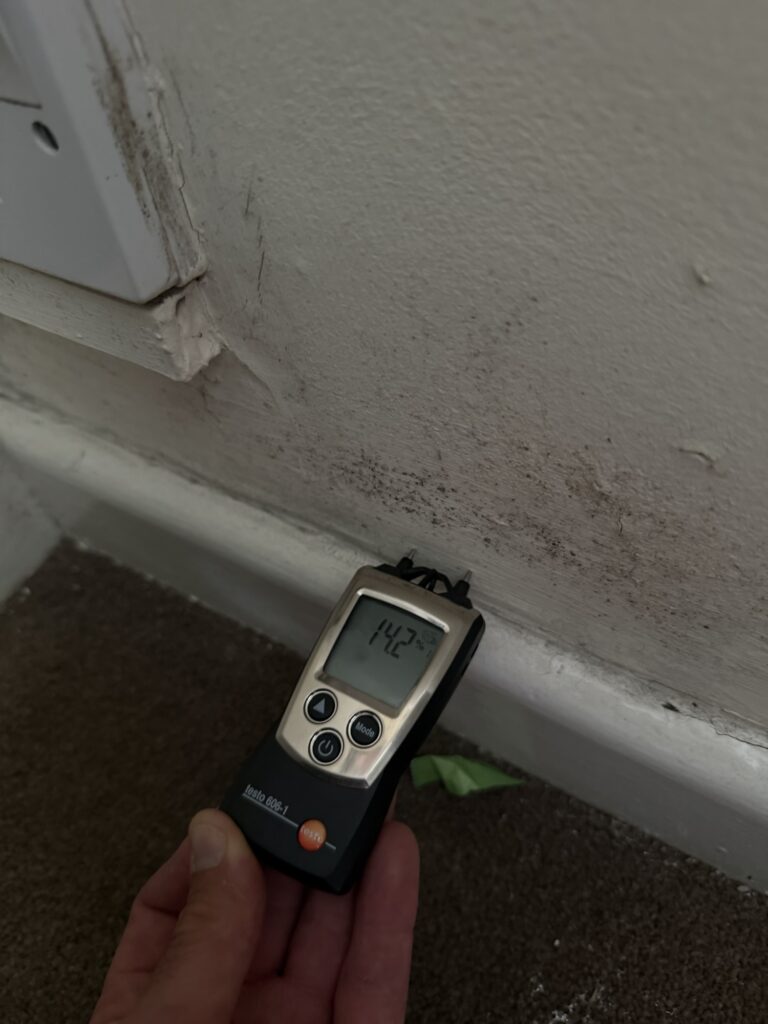
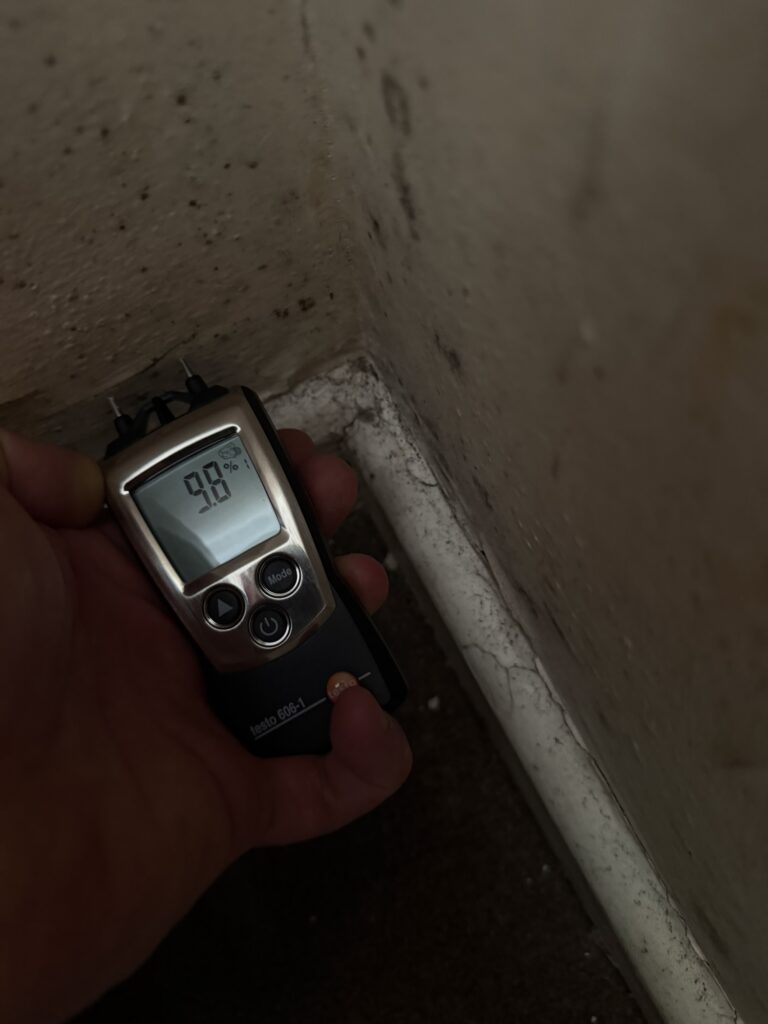
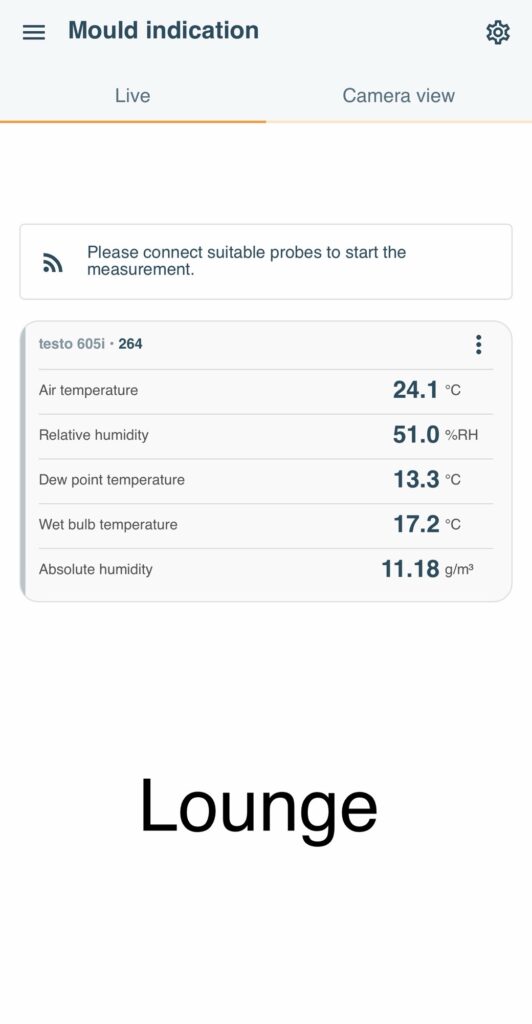
We took humidity readings and used a moisture meter to assess areas of the building fabric where damp had been noticed.
The investigation suggested that there wasn’t one single issue responsible for the problem. Instead, we identified several factors that were likely contributing.
These included inadequate ventilation within the property, window trickle vents not being kept open, the way the property was being heated and an issue with the external rainwater drainage.
Together, these factors can create conditions where excess moisture remains inside the property and colder surfaces become more susceptible to condensation and mould.
Finding the Cause Before Recommending a Solution
Ventilation systems can make a significant difference to condensation and indoor humidity, but it is important to understand the property before deciding what needs to be installed.
Following our assessment, we put together a practical plan to address the issues identified and supplied the customer with a full report detailing our findings and recommendations.
Depending on the property, solutions can range from improving existing extraction and background ventilation through to systems such as Positive Input Ventilation (PIV), Mechanical Extract Ventilation (MEV) or Mechanical Ventilation with Heat Recovery (MVHR).
SAFEXE carries out ventilation assessments and installations throughout Exmouth and the surrounding East Devon area, helping homeowners identify the likely causes of condensation, humidity and poor ventilation before deciding on the appropriate solution.